About the Lighthouse Study
The purpose of the Lighthouse study is to evaluate the safety and efficacy of the investigational medication, clemizole, as an additional therapy to potentially lower the number of seizures in children and adults living with Lennox-Gastaut syndrome (LGS). If someone you care about has frequent seizures from LGS, even when taking antiseizure medication(s), this clinical study may be an option.

EPX-100, clemizole hydrochloride, is an investigational drug product which is being evaluated for the treatment of seizures associated with Dravet syndrome (DS) and Lennox-Gastaut syndrome (LGS). These are serious conditions that affect the brain and cause seizures. The exact way EPX-100 affects seizures in people with epilepsy is being studied, but it is thought that it likely works by interacting with serotonin receptors. Serotonin is a chemical found in the body which is thought to be involved in mood, sleep, appetite, and other bodily functions. EPX-100 is administered orally twice a day in a liquid formulation.
Participants have a 1 in 2 (50%) chance of receiving either the investigational medication, clemizole, or a placebo (a liquid that looks like the investigational medication but contains no active medication) for the first 4 months of study treatment. Neither you nor the study staff know which one the participant is receiving. Participants who complete the first 4 months of the study have the option to receive clemizole in the optional extension period at no cost to them. Participants must remain on the antiseizure medications they are currently taking during the study.
The Lighthouse study may last up to 3½ years, and includes 4 parts: Screening, Study Treatment, Long-term Extension, and Follow-up. Participants who complete the first 4 months of the study will have the ability to receive the investigational medication (clemizole) for an additional 3 years.
Screening
Tests and procedures are done to see if a potential participant qualifies
Study Treatment
Participants will receive the investigational medication or a placebo
Long-term Extension
All participants will receive the investigational medication
Follow-up
The study team will check on the participant’s LGS symptoms and overall health 2 weeks after receiving the last dose of the investigational medication
Seizure and medication diary: A seizure and medication diary will be filled out at home to keep track of the participant’s seizures and when they take the investigational medication. The seizure diary is important to help researchers understand the effects of the investigational medication on the participant’s seizures.
About Lennox-Gastaut Syndrome (LGS)
LGS is a rare type of severe epilepsy that develops in young children.1 People living with LGS have more than 1 type of seizure, and their seizures happen frequently.2
People living with LGS commonly have delays in their development and intellectual abilities that can get worse as they get older.3 They may also have behavior problems, including hyperactivity, aggression, and difficulty paying attention.2
Many medicines available today do not reduce seizures enough for people living with LGS, even when taking multiple medications.3
References:
- Lennox-Gastaut Syndrome. National Institute of Neurological Disorders and Stroke. Accessed November 4, 2024. https://www.ninds.nih.gov/health-information/disorders/lennox-gastaut-syndrome#:~:text=Children%2C%20adolescents%2C%20and%20adults%20with,Atypical%20absences%20(staring%20spells)
- Lennox-Gastaut Syndrome. LGS Foundation. Accessed November 4, 2024. https://www.lgsfoundation.org/about-lgs-2/what-is-lennox-gastaut-syndrome/#:~:text=Many%20with%20LGS%20survive%20into,a%20seizure%20resulting%20in%20pneumonia)
- Lennox-Gastaut Syndrome (LGS). Epilepsy Foundation. Accessed November 4, 2024. https://www.epilepsy.com/what-is-epilepsy/syndromes/lennox-gastaut-syndrome#What-is-Lennox-Gastaut-syndrome?
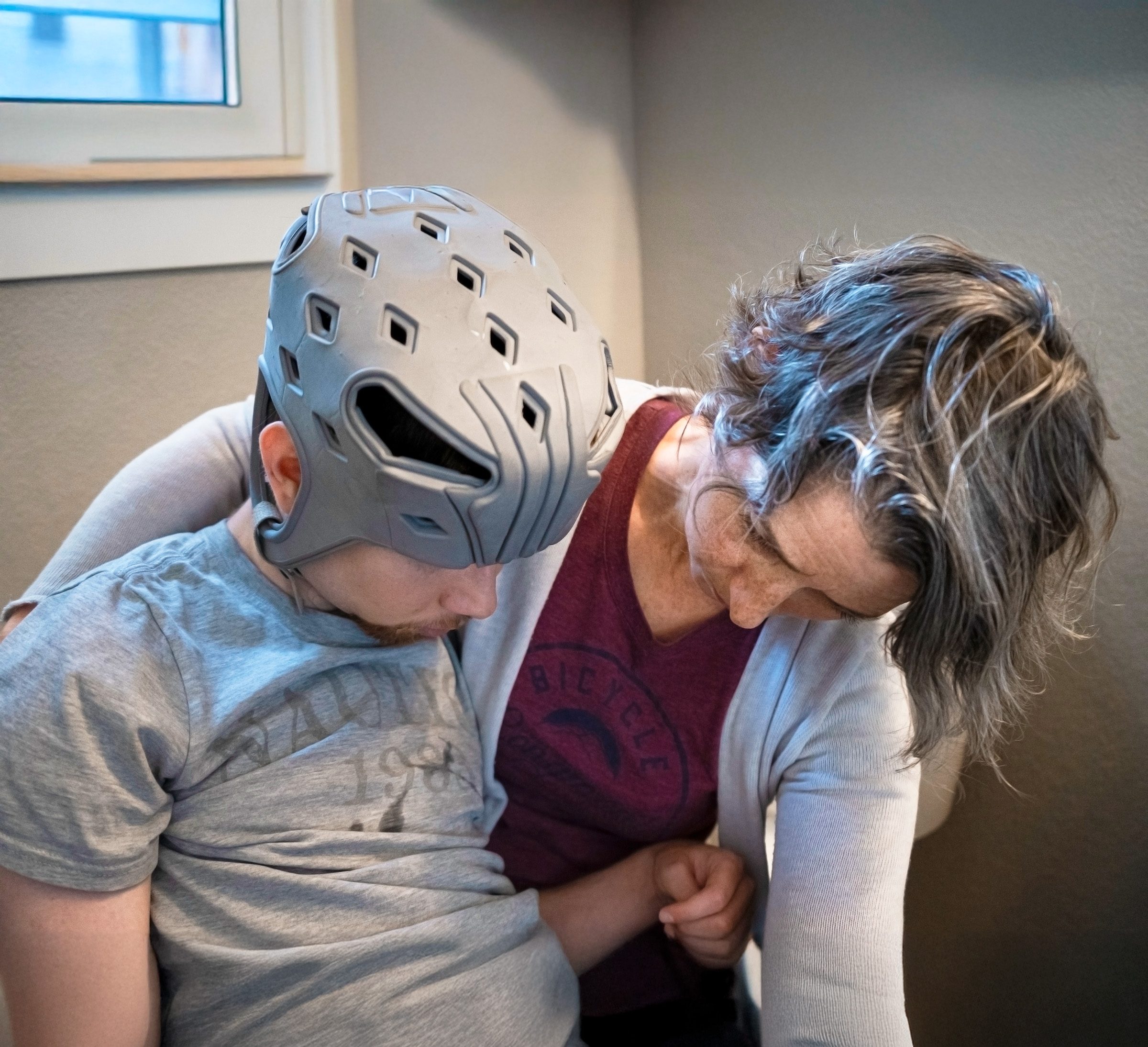
Why Participate
If the person living with LGS qualifies and decides to participate, they will receive:
- All study-related care and the investigational medication at no charge
- Assistance with study-related travel expenses (including food and lodging), as needed
- Close monitoring by a study doctor and study team who specialize in LGS
- The opportunity to help researchers learn more about LGS
- An at-home participation option (coming soon), so location may not be a barrier
Safety while participating in the Lighthouse study is our highest priority. If any questions or concerns arise, a study team member is available to help.
Participation in any clinical study is always voluntary. Participants are free to leave the study at any time and for any reason. Privacy will be maintained throughout the study.

Download the Study Brochure
The study brochure provides information similar to this website to help you discuss participation in the Lighthouse study with the potential participant’s doctor. You can also share it with someone that may want to learn about the study.
How to Qualify
People living with LGS may be able to participate in the Lighthouse study if they*:
- Are at least 2 years old
- Have been diagnosed with, or told they may have Lennox-Gastaut syndrome (LGS) by a medical professional
- Experienced onset of seizures prior to turning 11 years old
- Lacks seizure control despite taking 1 to 4 antiseizure medications
- Have frequent seizures (average 4 seizures per month for the last 2 months)
- Are not enrolled in another clinical study
*This is not a complete list of study requirements. The study doctor will review all the requirements with you and/or the potential participant.